Understanding the Long-Term Costs of Owning a Home in Portland
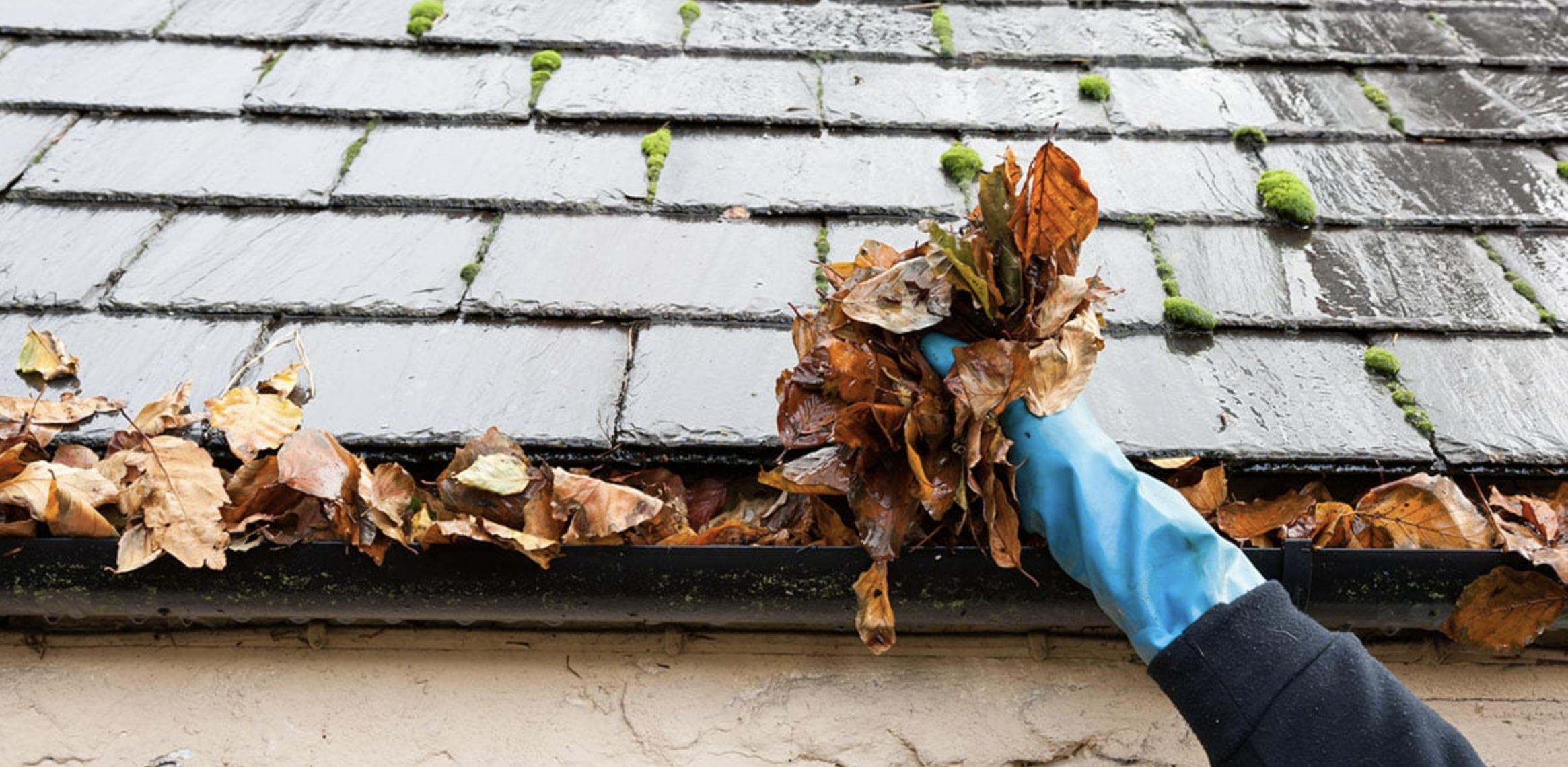
Why Portland Homes Require Ongoing Maintenance
Portland’s climate plays a major role in how homes age. Long rainy seasons, moderate temperatures, and a dense tree canopy make moisture management one of the central responsibilities of homeownership. For most single-family homes in Portland (particularly those built between 1900 and 1950) maintenance typically revolves around several recurring systems:
• roof and gutter care
• exterior paint and siding protection
• drainage and foundation protection
Homes located beneath Portland’s mature canopy (common in neighborhoods such as the Alphabet District, Laurelhurst, Irvington, Eastmoreland, Mount Tabor, and Sellwood) often require more frequent roof and gutter maintenance simply because leaves and debris accumulate throughout the year. None of this is unusual. It is simply part of the rhythm of owning property in the Pacific Northwest. But it does mean that maintaining a Portland home requires both time and money over the life of the property.
I. Understanding the Ongoing Cost of Home Maintenance
Homes require steady care over time. A commonly used rule of thumb is to plan for roughly 1.5% of a home’s value per year for maintenance and system upgrades when averaged over time.
For example:
A $750,000 home may require roughly $11,250 per year on average over the long term.
Some years require very little spending. Other years include larger projects like exterior painting, roof replacement, or sewer repairs. Over decades of ownership, however, most homes follow a similar rhythm of ongoing upkeep and occasional larger improvements. The sections below outline several of the systems that typically drive long-term maintenance costs in Portland homes.
II. Roof and Gutter Care
Roof systems in Portland typically last 20–30 years, depending on materials and maintenance. Regular upkeep usually includes:
clearing gutters and downspouts
removing moss accumulation
checking flashing and roof penetrations
Homeowners doing this work themselves may spend only a few hours per season and minimal materials. Professional roof and gutter maintenance typically costs $200–$1,000 annually, depending on roof complexity and tree exposure. When maintenance is neglected, moss and debris can shorten the life of roofing materials and lead to premature replacement.
III. Exterior Paint and Siding Protection
Many Portland homes feature wood siding, trim, and architectural detailing that require ongoing care. Routine maintenance often includes:
touching up exterior paint
resealing exposed trim
replacing caulking around windows and siding joints
Homeowners performing this work themselves may spend a few hundred dollars annually in materials. Hiring professionals for periodic maintenance typically costs $500–$3,000 annually, depending on the size and detailing of the home. Full exterior repainting typically occurs every 7–12 years, often costing $10,000–$25,000 depending on size and complexity. When paint and caulking maintenance is ignored, moisture can reach underlying wood surfaces and lead to more significant repairs.
IV. Drainage & Foundation Protection
Because Portland experiences long rainy seasons, managing water around a home’s foundation is essential. Routine maintenance includes:
keeping gutters and downspouts clear
directing downspouts away from the foundation
maintaining proper grading so water flows away from the home
For homeowners doing this work themselves, costs are typically limited to basic tools and occasional materials. Hiring professionals for seasonal gutter cleaning and drainage checks generally costs $200–$600 annually, depending on roof complexity and tree coverage. Some properties require larger drainage improvements such as:
French drains
sump pumps
perimeter drainage systems
These projects can range from $3,000 to $15,000+, depending on the size and complexity of the installation. Such systems are more common in older Portland homes with basements or in hillside neighborhoods like Southwest Portland or the West Hills, where water movement must be carefully managed.
V. Sewer and Underground Infrastructure
Many Portland homes built in the early and mid-20th century were originally connected to the city sewer using clay pipes, which can crack over time or allow tree roots to enter through small joints. Because Portland neighborhoods are heavily planted with mature trees, root intrusion into sewer lines is fairly common. As a result, sewer scopes have become a routine part of Portland real estate transactions. Sewer issues often exist on a spectrum of solutions:
Sewer Scope Inspection
Typical cost: $150–$500Hydro Jetting / Line Cleaning
Typical cost: $400–$1,200Trenchless Pipe Lining
Typical cost: $4,000–$10,000Partial Sewer Line Replacement
Typical cost: $5,000–$12,000Full Sewer Line Replacement
Typical cost: $8,000–$20,000+
While sewer replacement is one of the larger infrastructure costs homeowners may encounter, it is typically a one-time investment that resolves the issue for decades.
VI. Sewer and Underground Infrastructure
Portland’s mature tree canopy is one of the defining features of neighborhoods such as The Alphabet Districe, Irvington, Eastmoreland, Laurelhurst, Mount Tabor, and Ladd’s Addition. Maintaining these trees is part of long-term homeownership. Common maintenance includes:
pruning and canopy management
removing dead or hazardous branches
arborist inspections
root management near sidewalks or foundations
Routine pruning for large trees typically costs $500–$1,500. Removing a large tree can range from $2,000–$6,000 or more. Most homeowners perform this work every few years rather than annually.
VII. Heating, Cooling, and HVAC Systems
Heating and cooling systems also require regular care. Most Portland homes rely on systems such as:
furnaces
heat pumps
mini-split systems
air conditioning units
Replacing HVAC filters—typically $20–$60 per filter every 1–3 months is one of the simplest maintenance tasks homeowners can perform. Professional HVAC servicing typically costs $150–$300 annually. These relatively small investments help extend the life of systems that often cost $6,000–$18,000 to replace.
⬧ What This Means for Buyers
Two homes can look identical during a showing but carry very different ownership costs. If you understand how the house actually functions—its roof, drainage, systems, and infrastructure—you’ll make a clearer decision. You’re not looking for a perfect house. You’re choosing one you understand and can afford long term.
⬧ What This Means for Sellers
Buyers feel more confident when they can see how a home has been cared for. If you can clearly show the history of maintenance (roof work, sewer repairs, exterior upkeep, system servicing) buyers have fewer unknowns to worry about. When a buyer understands the house, they can move forward with confidence.