Why Portland Homes Require “Systems Thinking”
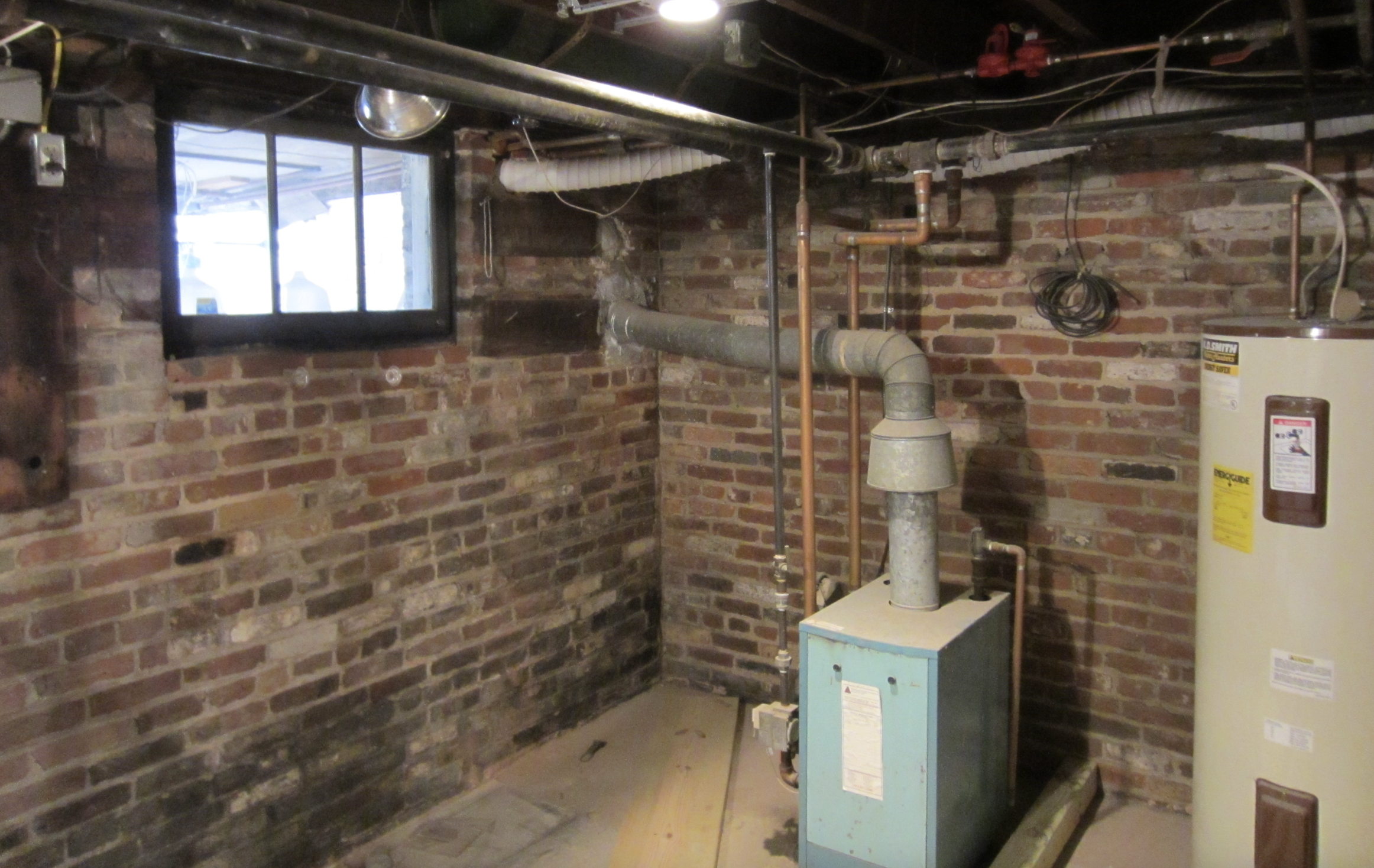
“A house is a machine for living in.”
— Le Corbusier, Vers une architecture (1923)
Most buyers evaluate homes the same way at first:
They notice the kitchen.
They look at the floors.
They react to the light in the living room.
Those details matter. But they are also the easiest parts of a house to change. The parts that matter most over the long term are usually the ones buyers cannot see during a showing. A home is not simply a collection of rooms. It is a network of systems.
Understanding those systems is particularly important in Portland, where much of the housing stock was built long before modern infrastructure standards.
I. Portland’s Housing Stock Is Older Than Many Buyers Realize
Large portions of Portland’s inner neighborhoods were developed between 1900 and 1940. Areas like Irvington, Alameda, Laurelhurst, Sellwood, and Richmond contain thousands of homes built during that period. These homes often offer beautiful craftsmanship and architectural character. But they were also constructed for a different era of building standards.
Many were originally built with:
knob-and-tube electrical systems
clay sewer lines
minimal foundation reinforcement
little or no insulation
Over time, some of these systems are updated. Others remain partially original. Two homes on the same street may therefore have very different underlying infrastructure.
II. Four Systems That Often Matter Most
While every home is unique, several systems tend to play an outsized role in Portland properties.
Foundations:
Many older Portland homes sit on unreinforced concrete or stone foundations. These foundations can perform well for decades, but they may show: cracking, moisture intrusion, and settling. In earthquake discussions, these are sometimes referred to as URM or unreinforced foundations, which can behave differently under seismic stress. Not every foundation issue is serious, but understanding the condition is important.Sewer Lines:
Portland’s older homes were frequently built with clay sewer pipes. Over time, these pipes can crack or allow tree roots to enter the line. Neighborhoods with mature tree canopies such as Eastmoreland, Irvington, and Laurelhurst sometimes see this issue more often simply because large trees sit close to sewer connections. Sewer scope inspections have become a standard step for many Portland buyers as a result.Drainage & Moisture:
Portland’s climate brings long periods of winter rain. Homes built before modern waterproofing standards sometimes rely on: exterior drainage systems, basement sump pumps, and interior perimeter drains. When these systems are functioning well, basements remain dry. When they fail, moisture can accumulate slowly over time. Understanding how water moves around a property is often more important than cosmetic basement finishes.Electrical Infrastructure
Electrical systems in older homes often reflect decades of incremental upgrades. A single house may contain a mix of modern electrical panels, mid-century wiring, and remnants of earlier systems. In most cases, these conditions are manageable. But they require evaluation to ensure the system can safely support modern electrical demand. In some situations, outdated electrical systems can make a property difficult or expensive to insure, particularly when components such as knob-and-tube wiring remain active.
III. Why Inspections Matter
The purpose of a home inspection is not to determine whether a house is perfect. No house is perfect.
Instead, inspections help reveal how a home’s underlying systems are performing and which ones may require attention in the years ahead. Two houses that appear nearly identical during a showing may carry very different maintenance profiles once their systems are examined.
A professional inspection allows buyers to better understand the risks associated with a property and make informed decisions about how they plan to live in and maintain the home over time.
⬧ What This Means for Buyers
When buyers begin thinking about homes as systems rather than surfaces, the evaluation process changes. Instead of asking only, “Do we like the house?”, they begin asking tougher questions that reveal how a home is likely to perform over time. These questions often lead to clearer, more confident decisions and can significantly reduce the likelihood of regret. When buyers understand how a home actually functions, they are more likely to choose a property that continues to feel like home years after the purchase.
⬧ What This Means for Sellers
For sellers, systems matter just as much. Buyers today are increasingly aware that the condition of a home’s underlying infrastructure can influence both inspection outcomes and insurance eligibility. Sellers who understand their home’s systems (and can clearly communicate recent upgrades such as electrical improvements, sewer replacements, drainage work, or roof updates) often create greater confidence among potential buyers. That confidence can translate into smoother negotiations and fewer surprises during the inspection phase. In many cases, a well-documented home with known system upgrades becomes easier for buyers to evaluate and ultimately easier to sell.